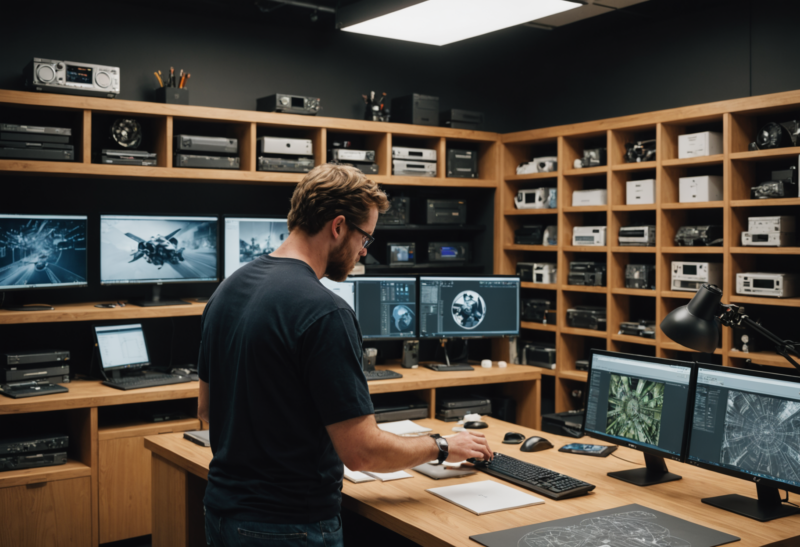
In a world where design and craftsmanship increasingly converge with technology, 3D visualization studios are redefining how brands present their products to the world. Among these innovative enterprises, Oak 3D Visualization Studio stands out with its remarkable project, Case Kollektsioner. This comprehensive showcase underscores the studio’s dedication to creating detailed, realistic, and engaging business-class real estate visualization for collectors and enthusiasts alike.
Introduction
As the market for collectible cases—be it for firearms, art, jewelry, or other valuable items—continues to grow, the demand for high-quality visual content has never been more critical. Buyers seek assurance of quality, design, and uniqueness before making a purchase decision. This has led to an increased reliance on 3D visualization to bridge the gap between concept and reality. Oak 3D Visualization Studio’s Case Kollektsioner project exemplifies this trend, showcasing meticulously crafted 3D models that highlight the craftsmanship, intricate details, and aesthetic appeal of custom cases designed for discerning collectors.
The Significance of 3D Visualization in Product Design
Bridging the Gap Between Concept and Final Product
Traditional product presentation methods often fall short in conveying the full scope of details and craftsmanship embedded in custom-designed cases. 3D visualization serves as an invaluable tool, allowing designers and manufacturers to showcase their concepts in vivid, lifelike detail before physical production. This not only streamlines the decision-making process for clients but also reduces the costs associated with prototyping and revisions.
Enhancing Customer Engagement
Interactive 3D models enable potential buyers to explore products from multiple angles, zoom in on intricate details, and even visualize the product within their personal environment. This immersive experience significantly enhances customer engagement, leading to higher conversion rates and greater satisfaction.
Case Kollektsioner: A Deep Dive into Custom Case Design
Project Overview
The Case Kollektsioner project by Oak 3D Visualization Studio encompasses a broad spectrum of custom cases intended for collectors ranging from firearm enthusiasts to luxury jewelry owners. The core objective was to produce hyper-realistic visualizations that accurately reflect the materials, textures, and craftsmanship involved in each piece, thereby offering clients a comprehensive visual overview before manufacturing.
Design Philosophy
The design approach adopted by Oak 3D visualization revolves around two main principles: attention to detail and authenticity. Every element, from the grain of the wood to the sheen of metals, was modeled and rendered to achieve a high degree of realism. This fidelity to detail ensures that clients can virtually inspect their designs and make informed modifications if necessary.
Steps in the Visualization Process
1. Conceptualization and Sketching
The process begins with understanding the client’s vision and requirements. Designers collaborate with clients to establish the aesthetic, materials, and functional features of the cases. Initial sketches help set the groundwork for 3D modeling.
2. 3D Modeling and Texturing
Skilled artists convert sketches into detailed 3D models, paying meticulous attention to every component—latches, hinges, clasps, and decorative elements. Advanced texturing techniques are applied to simulate real-world materials like leather, wood, metal, and fabric, ensuring that each texture appears convincing under various lighting conditions.
3. Lighting and Rendering
Proper lighting plays a crucial role in showcasing the visual richness of the models. The studio employs a combination of studio lighting setups, HDRI environment maps, and calibrated light sources to mimic real-life scenarios. The rendering process then produces photorealistic images suitable for presentations, catalogs, and client approvals.
4. Post-Processing and Final Presentation
Post-rendering adjustments are made to enhance clarity, color accuracy, and visual impact. The final images are then prepared for various formats, including high-resolution images for print and optimized visuals for online platforms.
Features and Highlights of the Project
| Feature | Description |
|---|---|
| Hyper-Realistic Renderings | Close attention to materials, reflections, and lighting for authentic visuals. |
| Customization Options | Clients can visualize various configurations, materials, and finishes. |
| Interactive Visuals | Potential for 360-degree views and augmented reality integrations. |
| Material Diversity | High-fidelity rendering of wood, leather, metal, and composite materials. |
| Detailed Components | Focus on small elements that add to the overall aesthetic and functional design. |
Benefits for Clients and Manufacturers
Accelerated Design Approval
High-quality visualizations offer clients a clear understanding of the final product, reducing misunderstandings and streamlining approval processes. This leads to faster project cycles and more efficient collaboration.
Market Readiness
Photorealistic images serve as powerful marketing tools, enabling brands to present their products effectively on websites, catalogs, and exhibitions. This visual polish often translates into increased customer trust and sales.
Cost Efficiency
- Pre-visualization reduces the need for multiple physical prototypes.
- Design adjustments are made digitally, saving time and material costs.
- Early detection of design flaws in visualization prevents costly revisions during manufacturing.
Future Perspectives in 3D Visualization of Custom Cases
Integration with Augmented Reality (AR)
As AR technology becomes more accessible, clients will soon be able to view virtual cases within their real environment, further enhancing the customization experience.
Personalization and Interactive Features
Advancements will allow users to customize colors, materials, and configurations in real-time, with instant visual feedback. Such interactive platforms will revolutionize how customers choose and design their cases.
Sustainability and Material Authenticity
With growing emphasis on eco-friendly materials, 3D visualization will play a crucial role in demonstrating sustainable design choices, appealing to environmentally conscious consumers.
Conclusion
The Case Kollektsioner project by Oak 3D Visualization Studio exemplifies the pivotal role of high-fidelity digital representations in modern product design and marketing. By emphasizing realistic textures, precise modeling, and innovative presentation techniques, the studio provides clients with comprehensive insights into their bespoke cases long before production begins. As technology advances, such visualizations will become even more integral to the design process, fostering a future where customization is limited only by imagination. This marriage of craftsmanship and cutting-edge digital artistry not only elevates the client experience but also sets new standards in product visualization and branding excellence.


